News
|
|
|

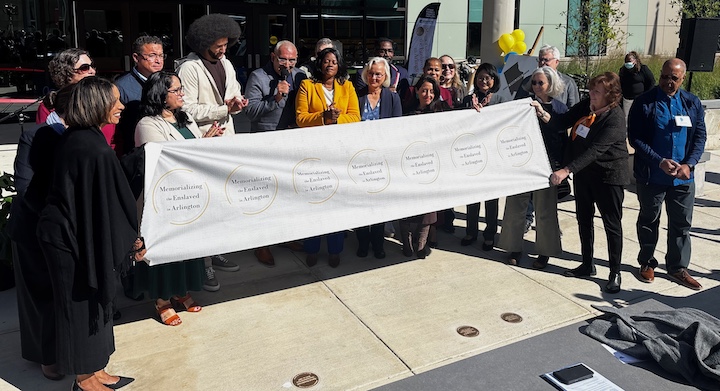
MEA Milestone ReachedOn October 3, 2026, the Memorializing the Enslaved in Arlington (MEA) project reached a major milestone by installing its 100th "stumbling stone" or memorial plaque during a dedication at Arlington’s Central Library. This achievement reflects a sustained commitment to recognizing the lives and experiences of enslaved people who helped shape Arlington County’s history.
Before the Civil War, slavery was deeply embedded in the economic and social life of what is now Arlington. Enslaved people worked on farms and plantations, performed domestic labor, and contributed to the region’s development. They also formed families, maintained community networks, practiced their faith, and pursued freedom despite the restrictions imposed upon them.
Yet their individual stories have often been overlooked or inadequately documented. Historical records frequently identify enslaved people through the perspectives of enslavers rather than in their own words. Researchers must piece together evidence from wills, estate inventories, census records, court documents, church records, and other sources to recover their names and experiences.
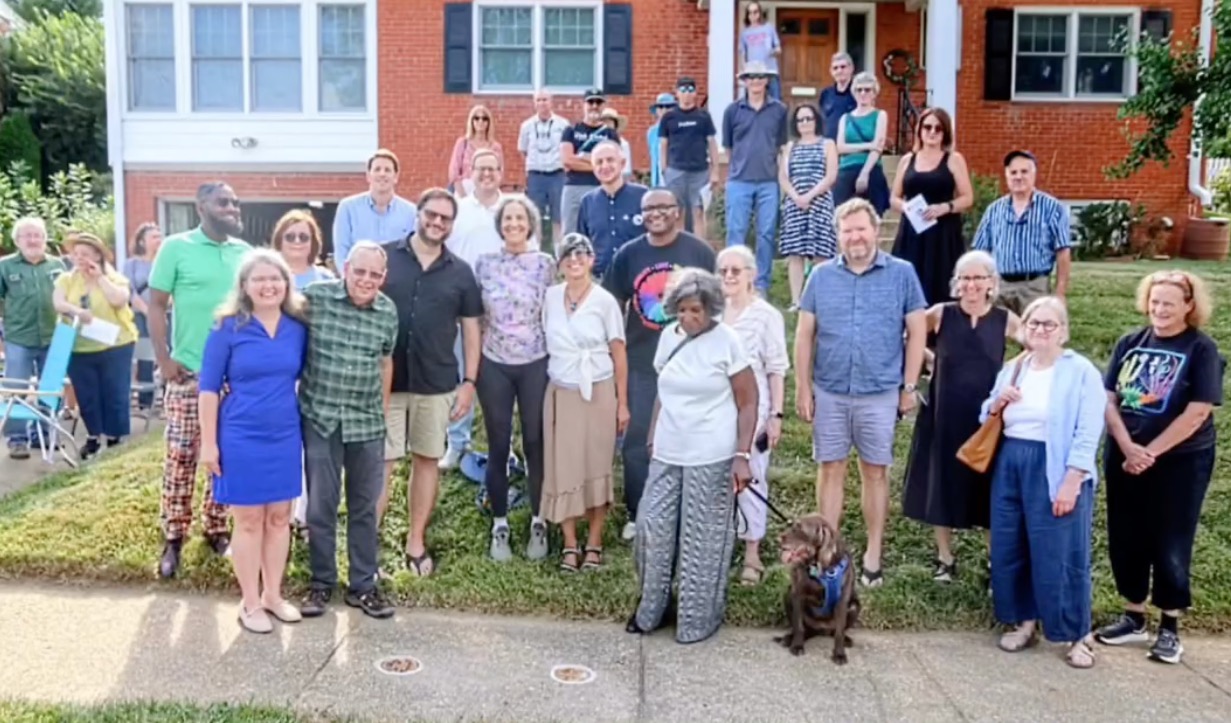
The MEA project, supported by the Black Heritage Museum and AHS, brings these histories into public view by connecting historical research with the places where enslaved people lived and worked. Each plaque invites residents and visitors to reflect on their experiences and recognize their contributions to Arlington’s past.
The installation of the 100th stumbling stone at the Central Library dedication connects this important historical initiative with a public institution devoted to learning, research, and community engagement. Reaching this milestone celebrates the dedication of researchers, volunteers, and community partners while recognizing that much work remains. Each plaque deepens our understanding of Arlington’s history and helps ensure the experiences of enslaved people are not forgotten.
Through this ongoing effort, Arlington is building a more complete historical record and preserving these important stories for future generations.
For more info: MEA
Peter Vaselopulos |
Footage of the Grace Hopper Center stumbling stone dedication Featuring Former School Board Member, Monique O'Grady: https://youtu.be/Q0_u2Bx6Jbc?si=BydcWnSPZzbC3CSP&t=4271
A Stumbling Stone for Julia Roberts

Some people want me to remain a slave. But that is why I am here today, to fight for my freedom.
— Reflections on Julia Roberts performed by Tia Thomas at the Memorializing the Enslaved in Arlington Stumbling Stones Dedication
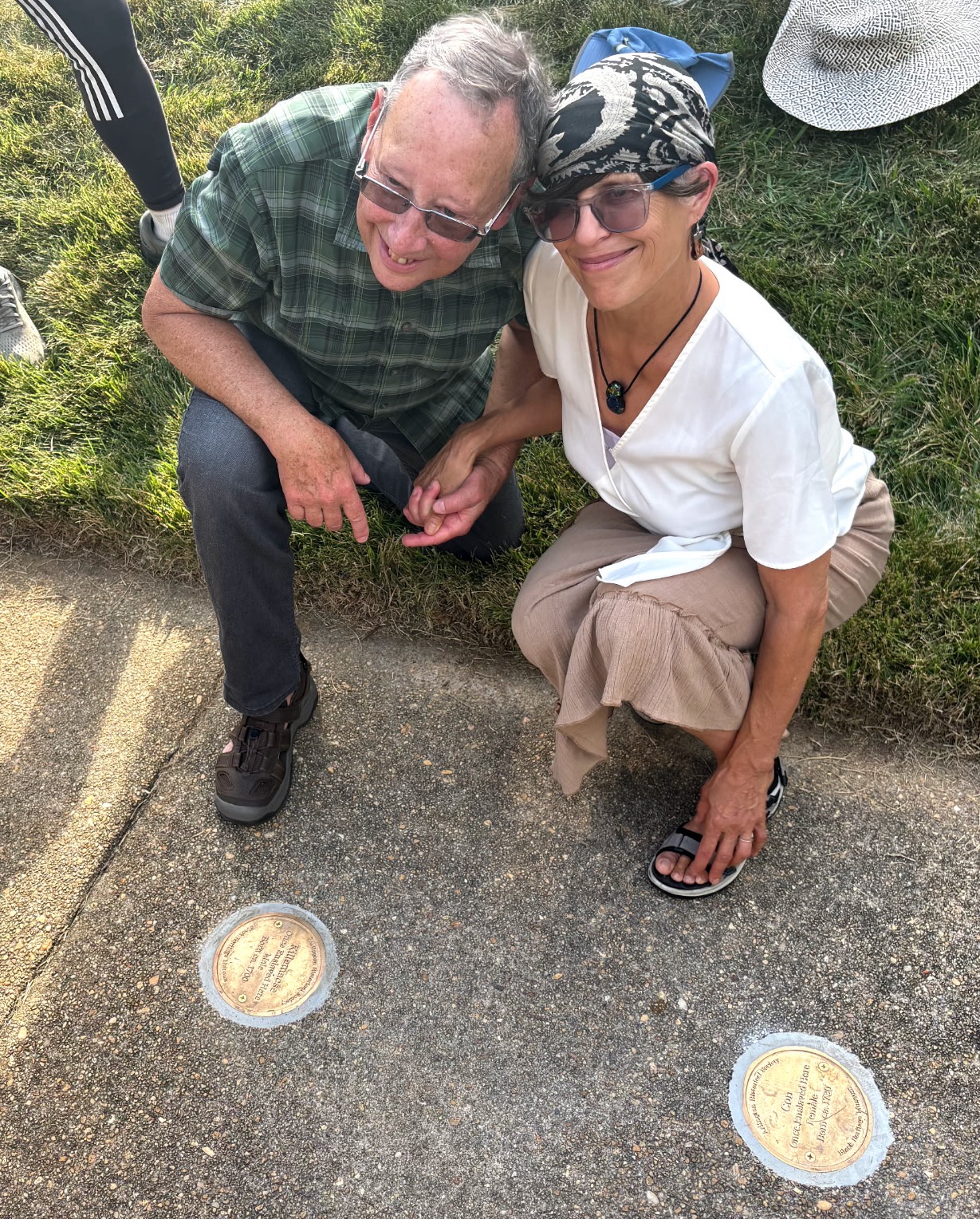
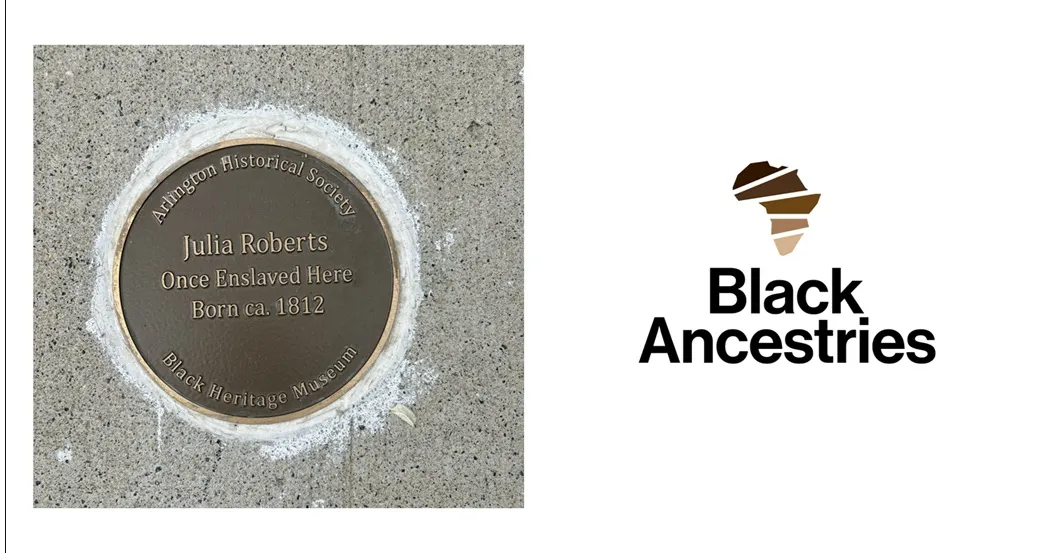
On Saturday, I had the honor of attending the dedication ceremony for two new “Stumbling Stones” in Arlington, Virginia, memorial markers honoring Julia Roberts, born around 1812, and an unnamed enslaved man born around 1832.
The ceremony was hosted by Memorializing the Enslaved in Arlington in collaboration with the Black Heritage Museum of Arlington, organizations helping transform Arlington’s landscape into a place where the stories of enslaved people are remembered, acknowledged, and made visible.
Their work is extraordinary. Through painstaking research, the organization has documented more than 2,700 enslaved individuals across 170 sites in Arlington County and identified more than 1,000 by name. In a country where enslaved people were so often intentionally erased from the historical record, that act of recovery is powerful.
Julia Roberts’ story is especially moving. Born around 1812 in Virginia, Julia was the daughter of Sarah, an enslaved woman whose freedom had been promised through an 1801 manumission agreement. Under the agreement, Julia too should have gained her freedom at age twenty-five. Instead, she remained enslaved long after.
In 1840, Julia sued for her freedom against enslavers Austin Adams and Ann Harding. After a lengthy legal battle, a jury ruled in her favor in 1842. Her case ultimately reached the U.S. Supreme Court, which upheld the ruling. It is an extraordinary example of resistance, persistence, and courage in the face of a system designed to deny Black humanity.
The “Stumbling Stone” concept itself comes from Germany’s Stolpersteine memorial project, which commemorates victims of the Holocaust with small brass plaques installed in sidewalks at places connected to their lives. The idea is simple but profound: physical markers interrupt ordinary space and force us to remember. You literally “stumble” into history.
That is what made Saturday’s dedication so meaningful to me. These markers create permanent places for collective memory. They ensure that the lives of people like Julia Roberts are no longer invisible. They give us an opportunity to read and speak the name of the enslaved people who built the places we live in.
Black Ancestries had the privilege of contributing to this effort through additional genealogical research into Julia’s life. Our work, led by senior researcher Lisa Fanning helped reconstruct her story after emancipation, tracing her through Washington, DC records as both Julia Roberts and Julia Robinson. We identified her in census records and city directories documenting her life as a free Black woman laboring as a servant, washerwoman, and cook in Georgetown and Washington decades after winning her freedom.
One of the most powerful moments for me was realizing that Julia’s story is no longer confined to archives and court documents. It now exists in public space.
Her stone and the stone of a name-unknown enslaved male now rests at:
300 N. Park Drive
in front of the Lubber Run Community Center
Arlington, VA 22203
And because of that, they will not be forgotten.
Recent Articles and Videos about Memorializing the Enslaved In Arlington
- NOS Dutch Broadcasting Service online video: https://nos.nl/video/
2565706-struikelstenen-in-vs- om-slavernijverleden-te- herdenken-er-is-nu-erkenning - Washington Post article on first placement of stumbling stones: https://www.washingtonpost.com/history/2025/03/14/slavery-memorial-arlington-virginia-stumbling-stones/?
- ArlNow article on first placement of stumbling stones: https://www.arlnow.com/2025/03/18/stumbling-stones-honor-the-stories-of-people-once-enslaved-in-arlington/
- Interview with Saundra Green, a descendent of the once enslaved members of the Hyson family: https://drive.google.com/file/d/1t_2XT_wA4Dv89sPZDPfUEe7qN-MV2w4H/view?usp=share_link
- ArlNow article on Columbia Pike Dedication: https://www.arlnow.com/2025/06/10/latest-stumbling-stones-honor-people-enslaved-near-columbia-pike/
- ArlNow article on Boulevard Manor Dedication: https://www.arlnow.com/2025/08/27/two-new-stumbling-stones-honor-people-once-enslaved-in-boulevard-manor/
- BBC article on Arlington's stumbling stones: https://www.bbc.com/travel/article/20251031-the-southern-us-county-honouring-its-dark-past
- ArlNow piece on Arlington View dedication: https://www.arlnow.com/2025/10/22/six-new-sets-of-stumbling-stones-memorializing-the-enslaved-coming-to-arlington/
- ArlNow covers dedication in Green Valley at the Lomax AME Church: https://www.arlnow.com/2025/11/13/new-stumbling-stones-in-green-valley-mark-familys-triumph-over-enslavement/
- ArlNow covers dedication in Fairlington: https://www.arlnow.com/2026/04/28/new-markers-honor-people-enslaved-at-former-plantation-in-fairlington/
- ArlNow covers play on Julia Roberts: https://www.arlnow.com/2026/05/15/new-play-depicts-true-story-of-a-local-enslaved-womans-court-battle-for-freedom/
- ArlNow covers dedication at St. Ann Church: https://www.arlnow.com/2026/08/07/church-installs-stumbling-stones-honoring-people-enslaved-in-bluemont/
Explore Photographs of our Recent Stumbling Stone Dedications
Yorktown Dedication - Little Falls Road and North Harrison Street
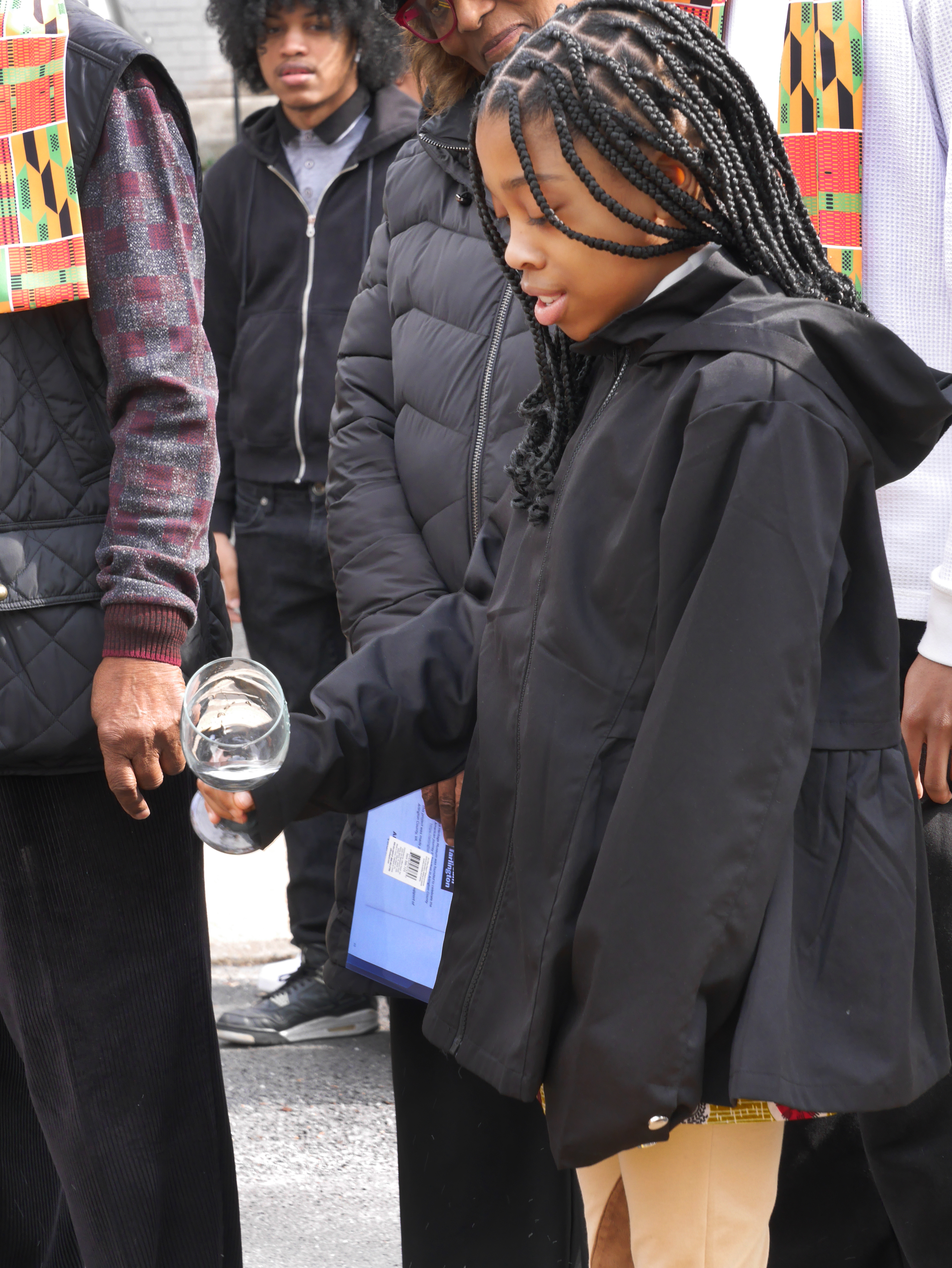
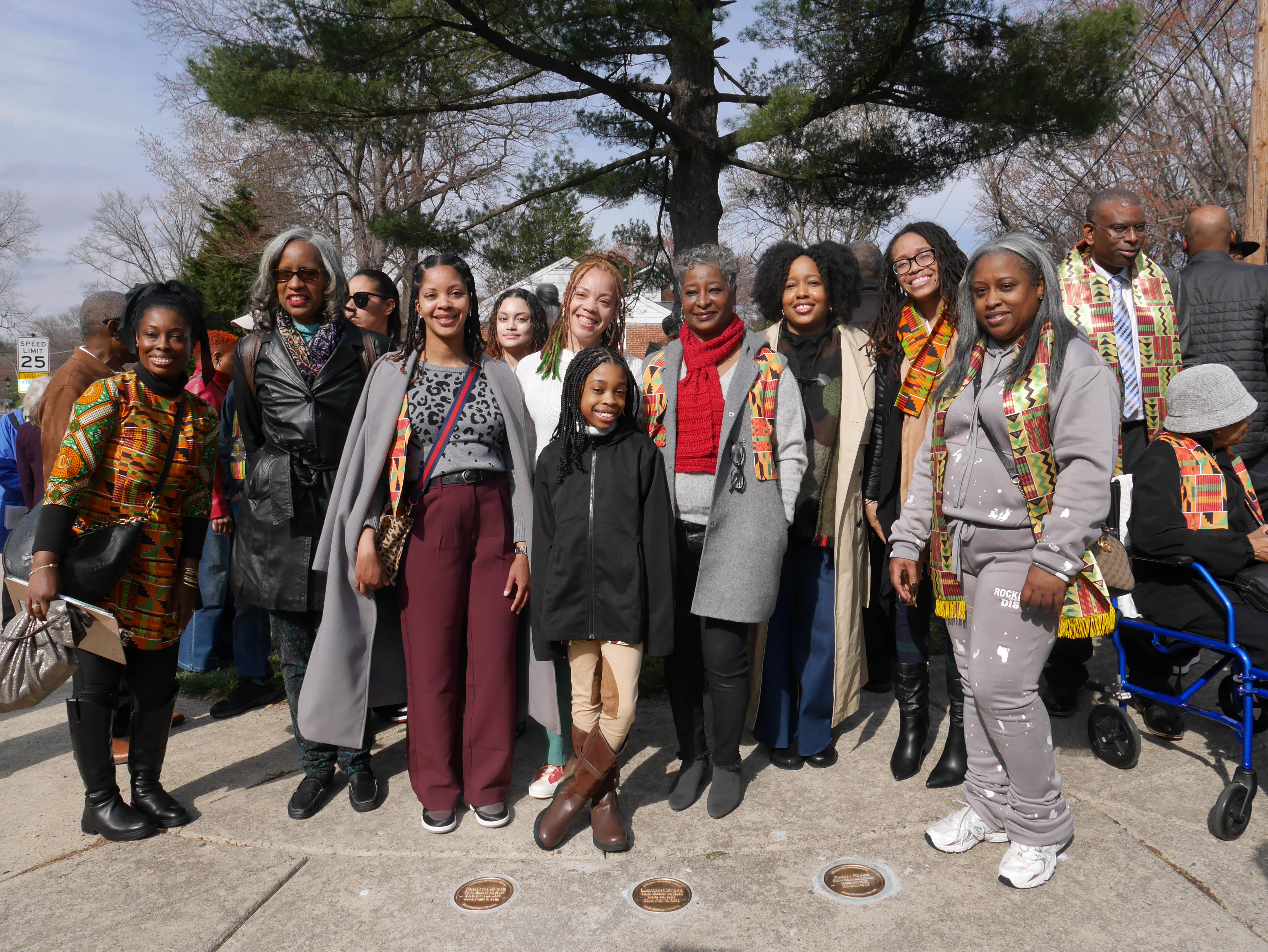
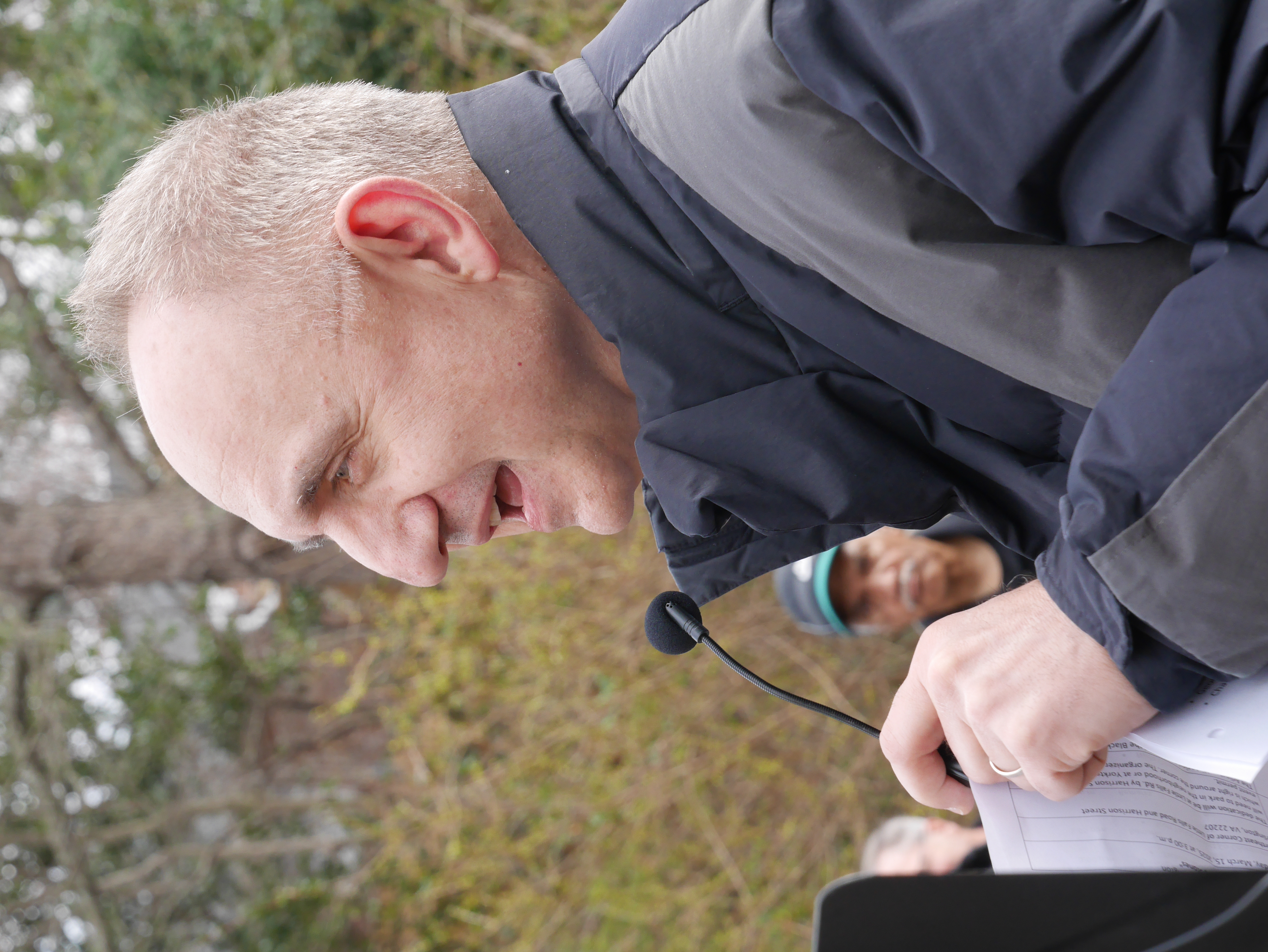
Lyon Village Dedication - Key Boulevard and North Highland Street
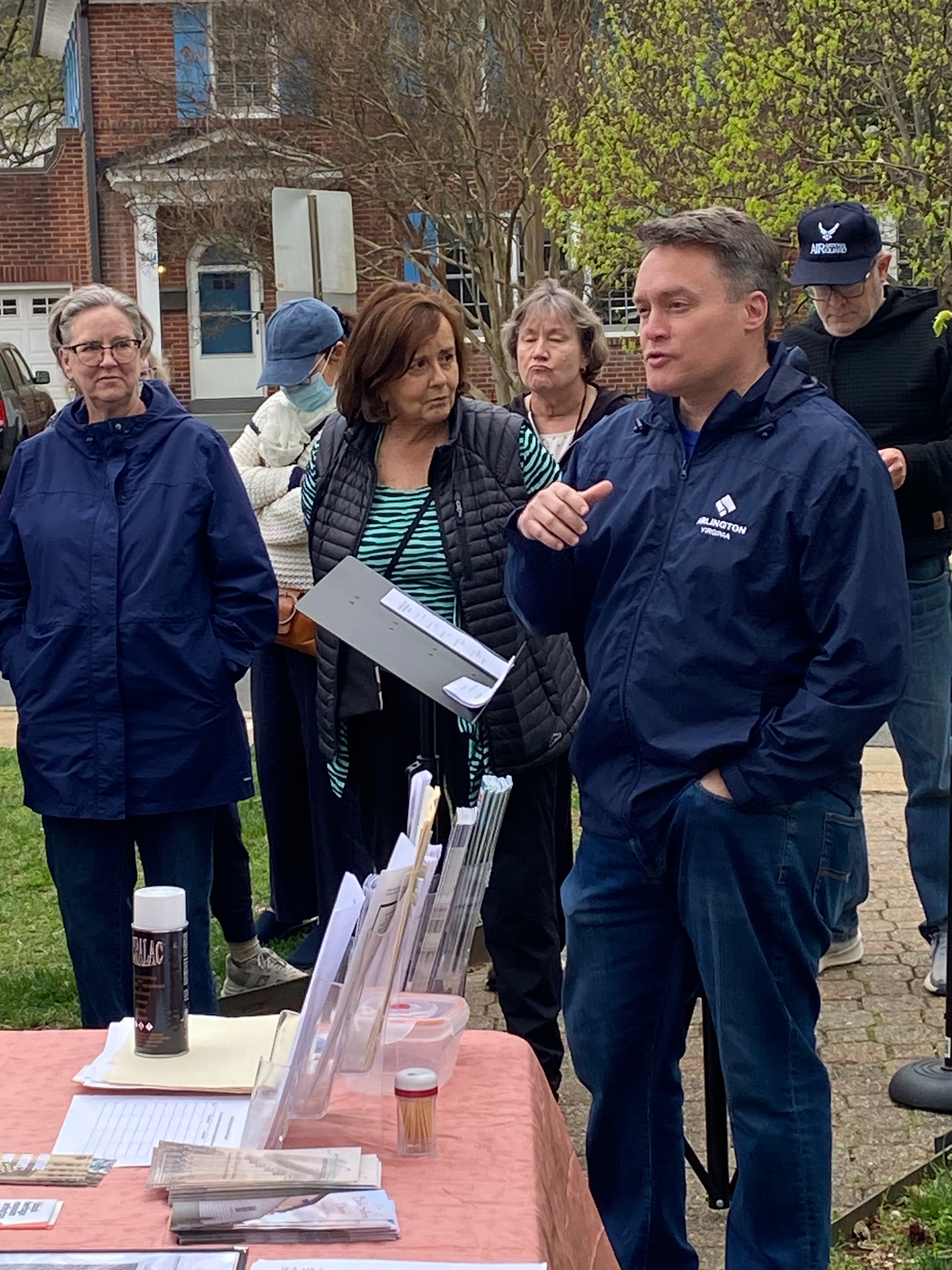
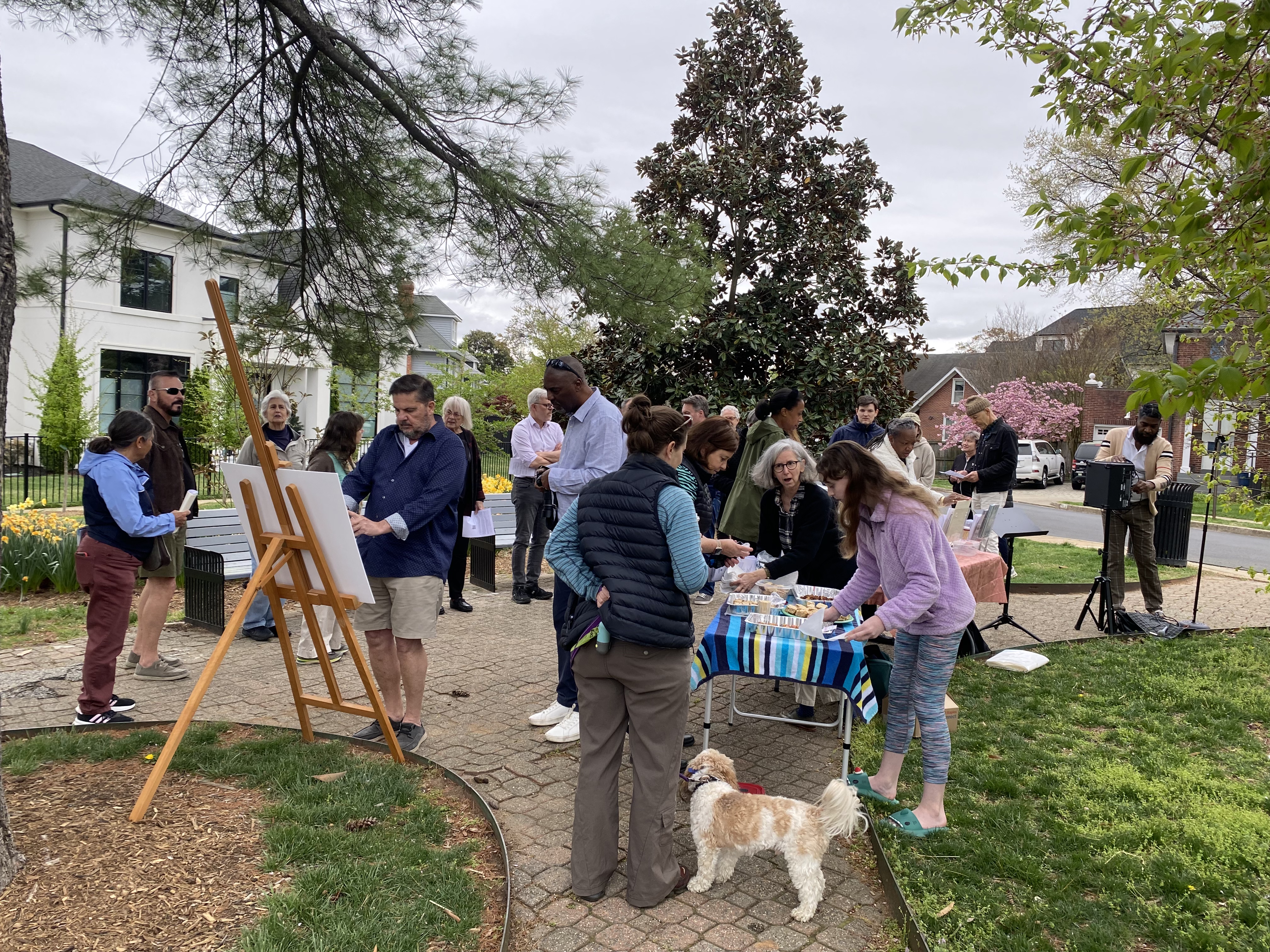
Oakridge Elementary School - South Ode and 24th Street South
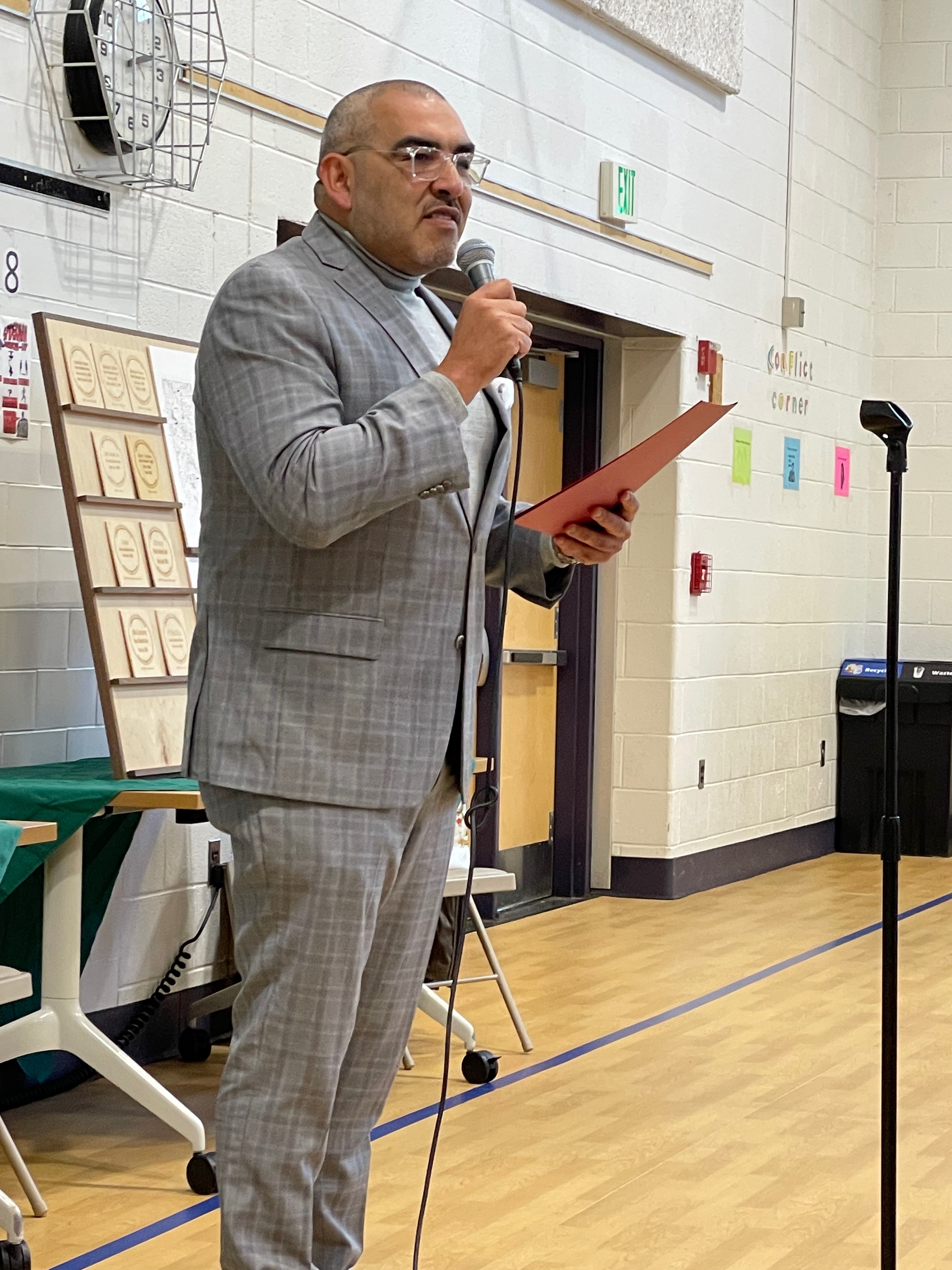
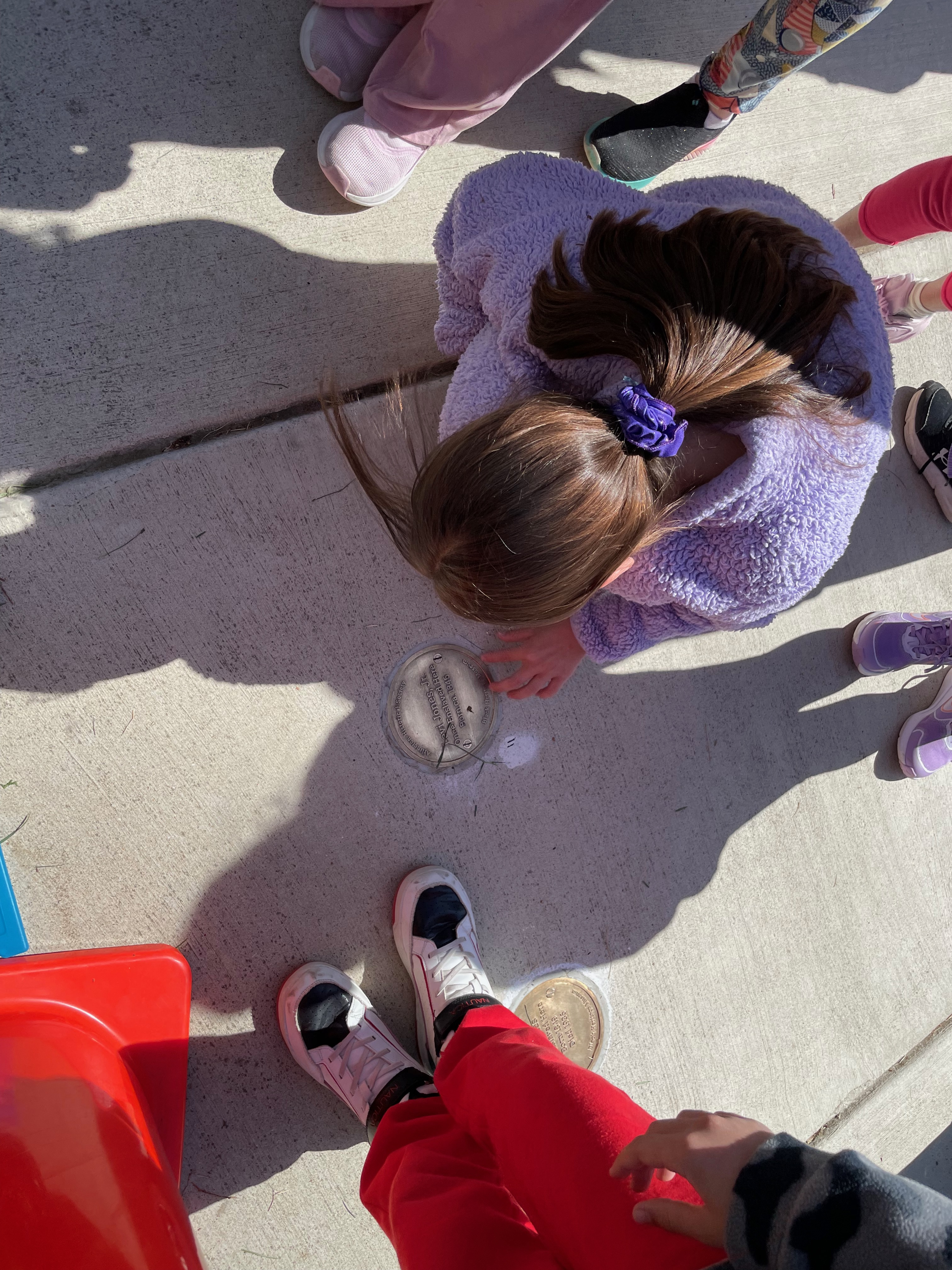
Westover Dedication - North Longfellow Street and Washington Boulevard
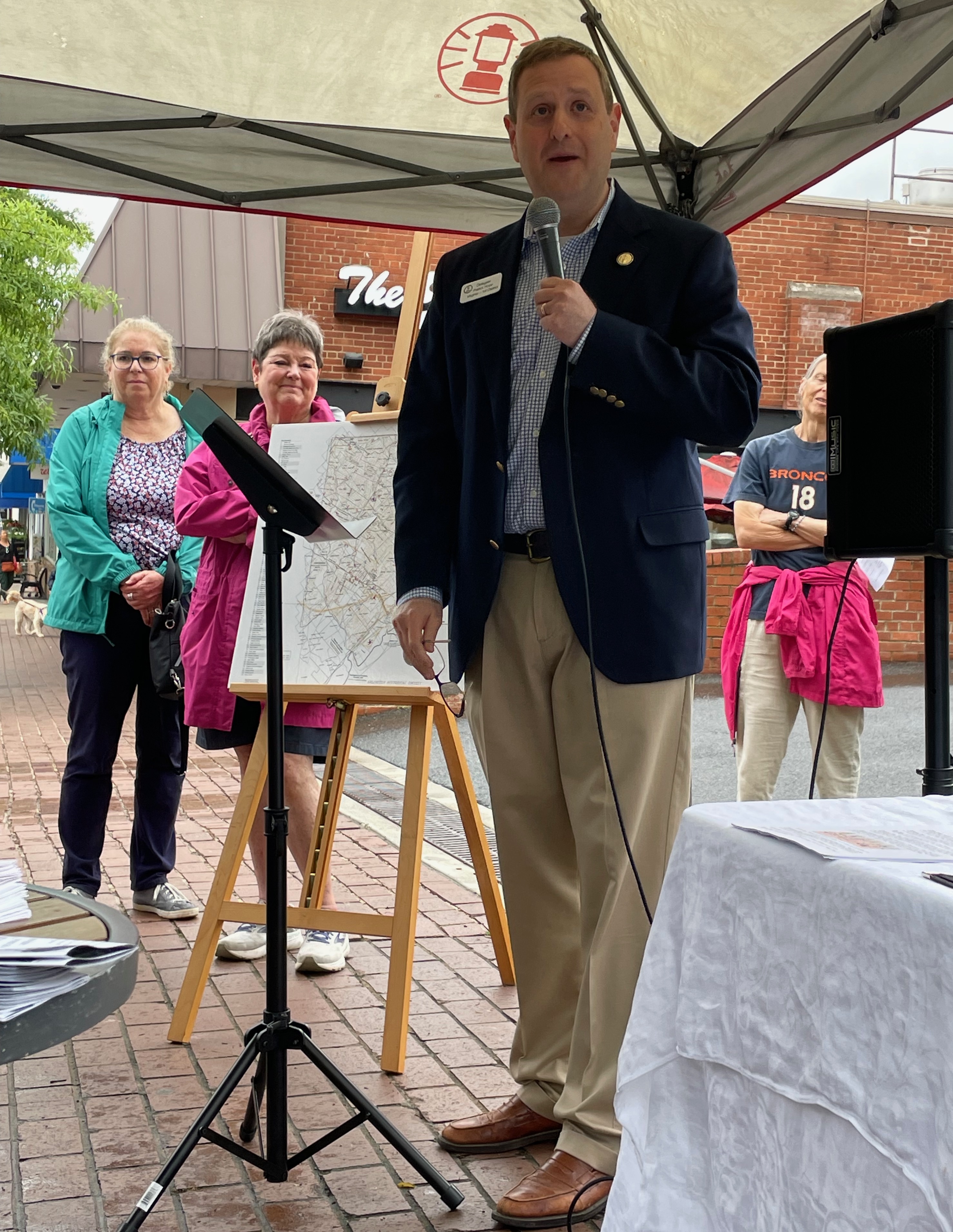
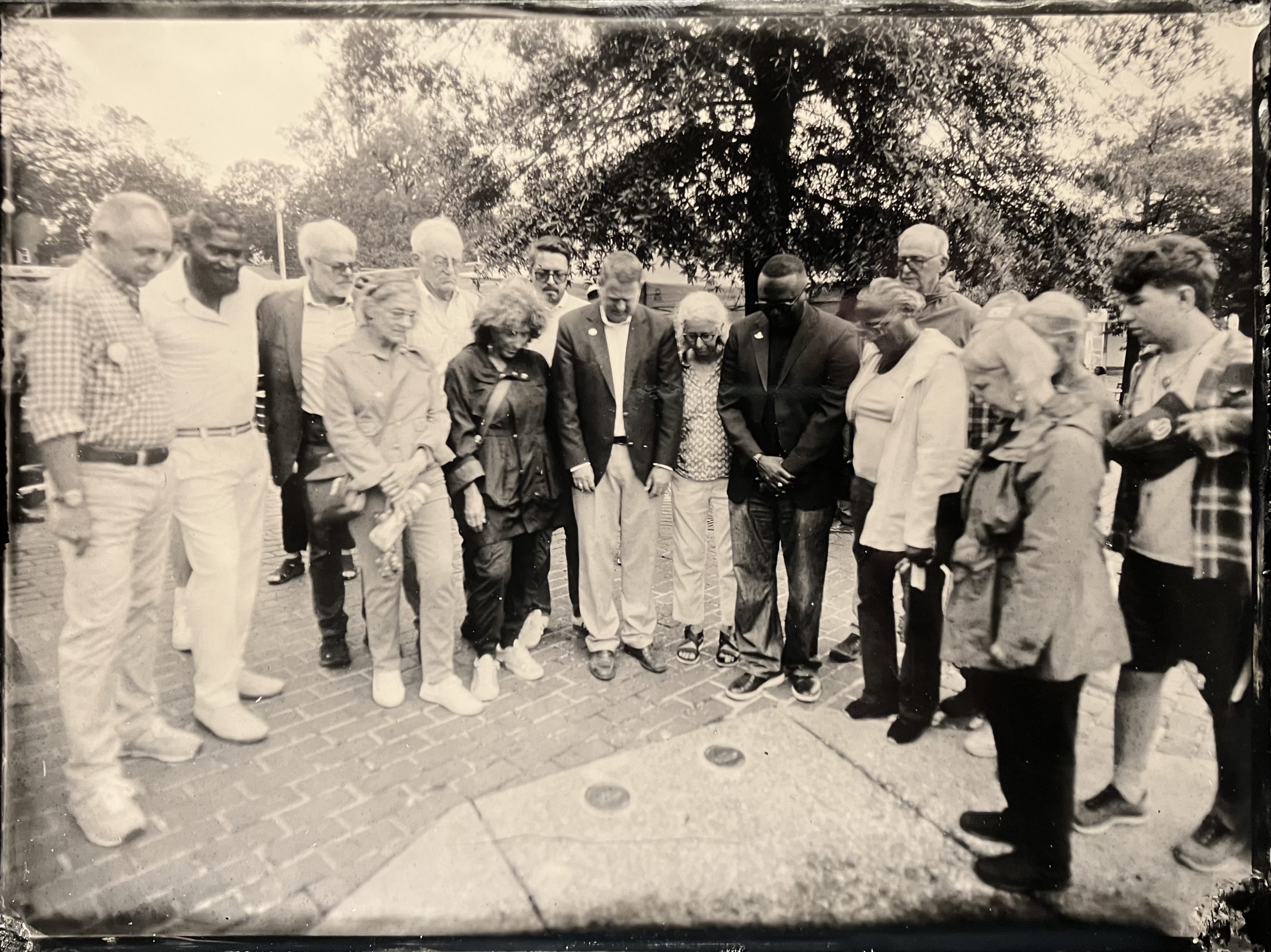
Columbia Pike Dedication - South Ode Street and Columbia Pike
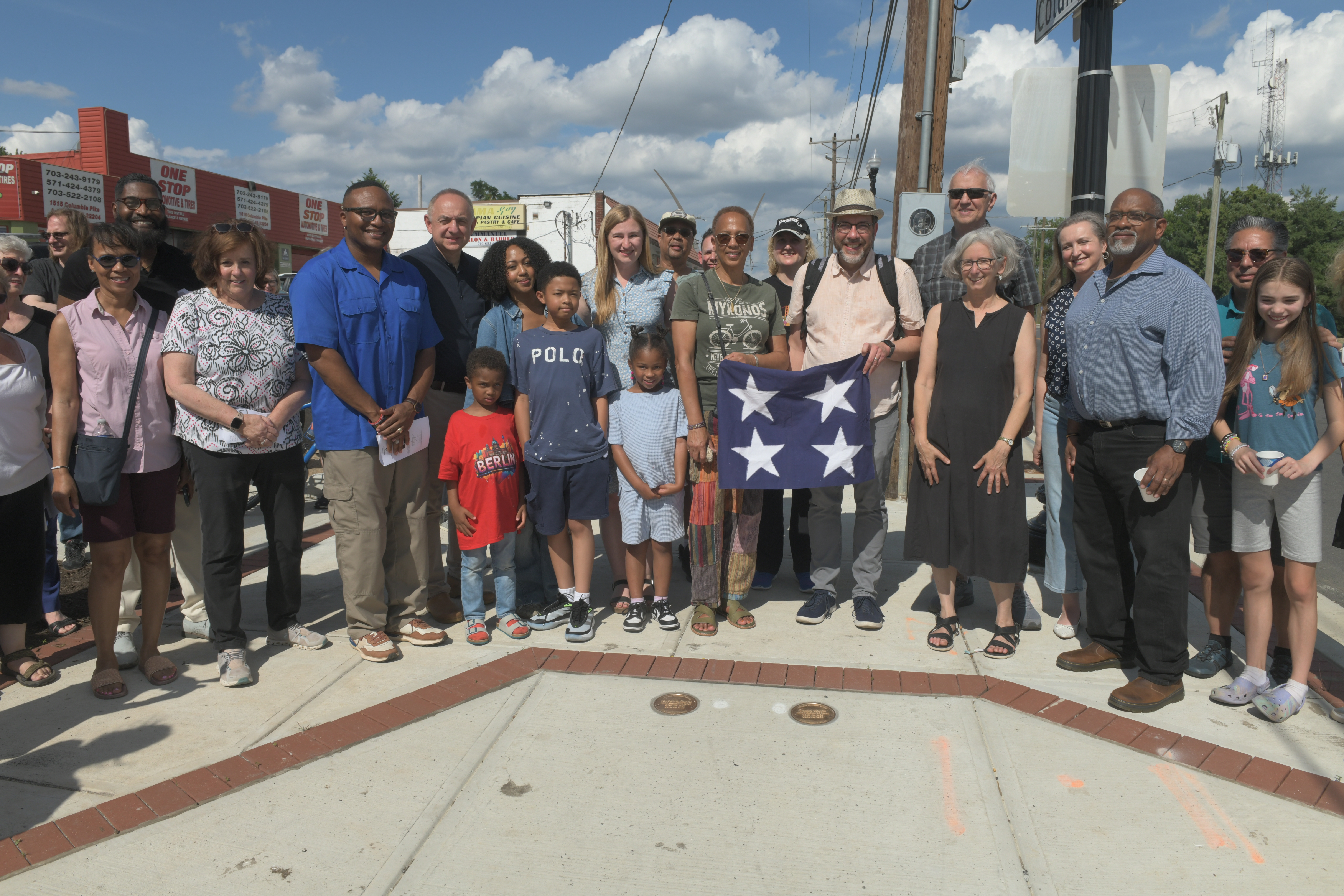
Boulevard Manor Dedication - 516 North Livingston Street