
The History of Enslavement in Arlington, Virginia
Recovering the history of our county’s enslaved population
June 28, 2024
200 Years of Enslavement
Arlington County’s story cannot be fully told or understood without exploring its history of enslavement. Memorializing the Enslaved in Arlington (MEA) seeks to uncover and explore this history and to honor the contributions of the enslaved individuals who lived and toiled in our county.
What Constituted Arlington?
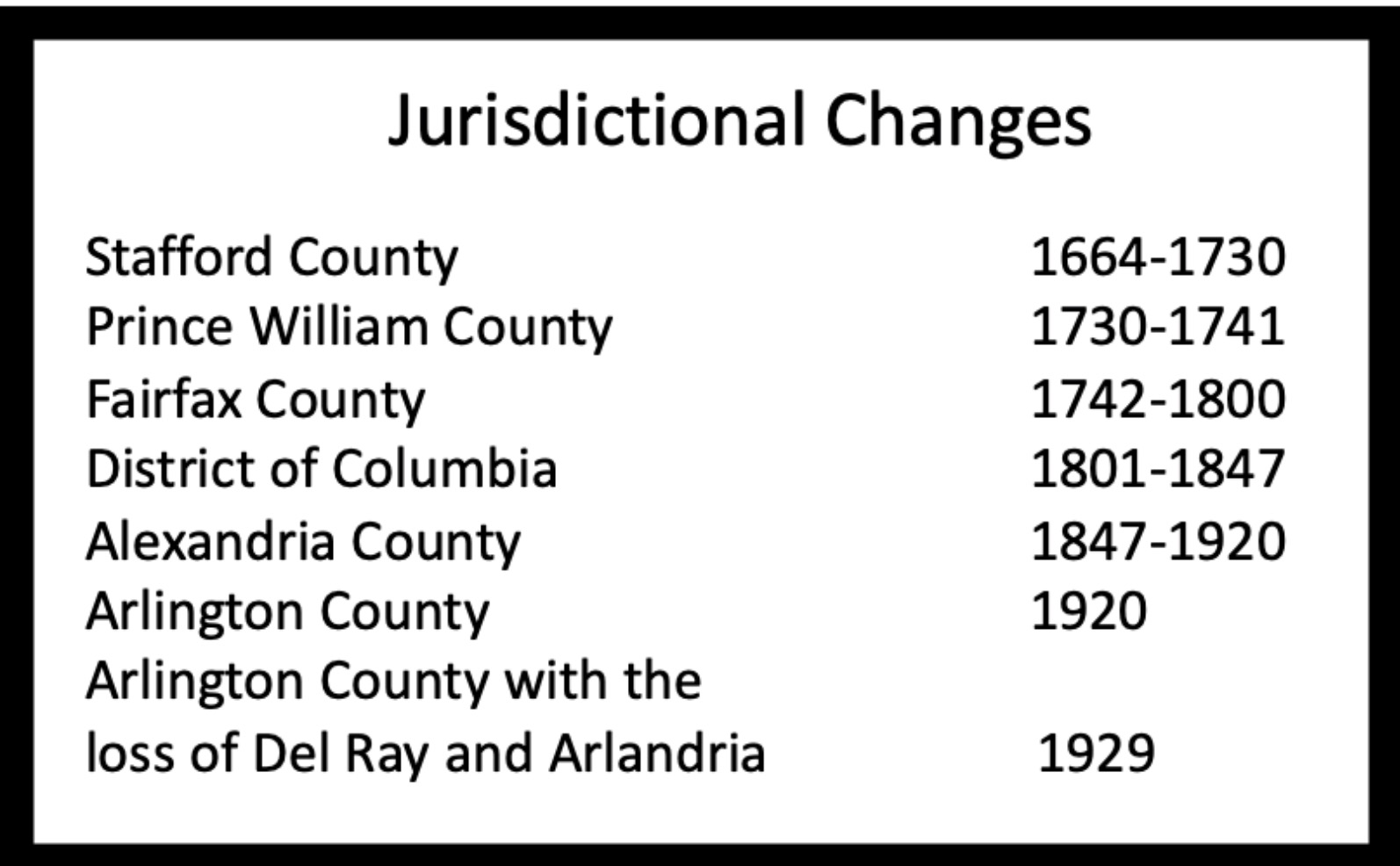
MEA has gathered information on enslaved individuals living within the current borders of Arlington County. Sound simple? What is considered Arlington today, was once part of many different jurisdictions including Stafford, Prince William, Fairfax Counties and Alexandria Counties, and the District of Columbia for 45 years. To uncover information on enslavement, researchers have had to mine the records of all these jurisdictions.
17th and 18th Centuries
Enslavement took hold in the Arlington region in the late seventeenth century as European settlers forced out Native tribes and put down roots. Tobacco, the major crop, required many hands to cultivate and enslaved labor made the endeavor profitable. Enslaved laborers took on the backbreaking work of clearing the land, building and caring for homes and outbuildings, and the domestic chores necessary to ensure their enslaver’s well-being.
Landowners, Tenants, Enslavers
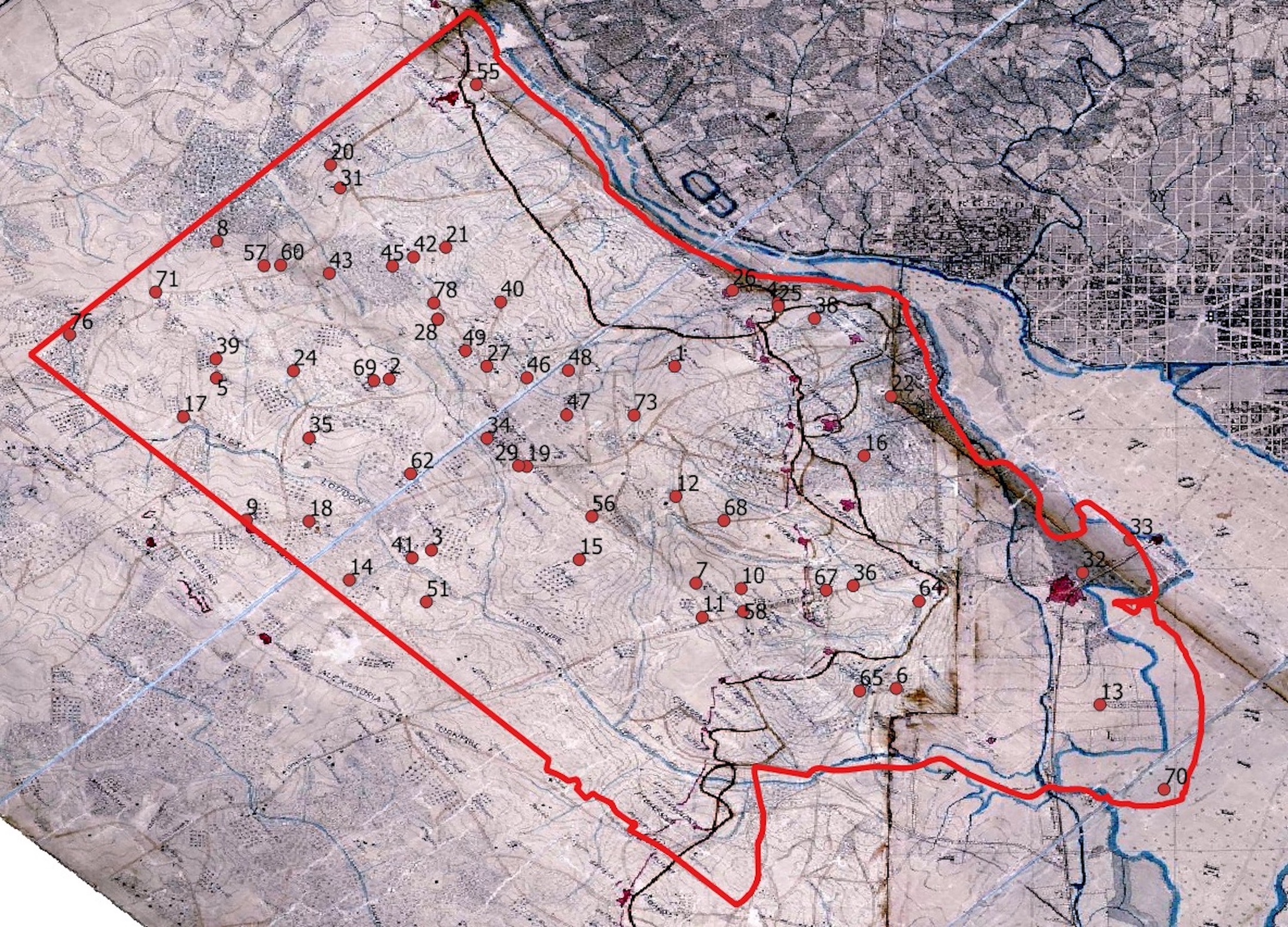
Wealthy absentee landlords owned much of the land in what is today Arlington (all land within the map’s red enclosure). They rented acreage to yeoman farmers who enslaved small numbers of men and women or hired laborers from larger nearby farms.
The First Major Plantations
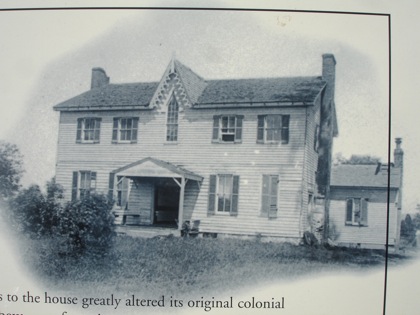
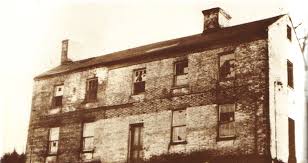
In the mid-eighteenth century, Gerard Alexander owned the largest parcel of land in Arlington that included what is now Reagan National Airport. During the 1740s, Gerard's enslaved laborers built Arlington’s first major plantation, Abingdon at this site.
Stice, Dinah, David, Will, Rose, Nan, and over 20 others cultivated crops, cooked, cleaned, laundered and ironed clothes, tended animals, and more for the Alexanders.
Another large site of enslavement was Torthorwald, the summer residence of John Carlyle, which was located in what is now Fairlington. His enslaved people bred horses, farmed, and operated a grist mill there. At the time of Carlyle’s death in 1780, he enslaved 43 individuals.
19th Century
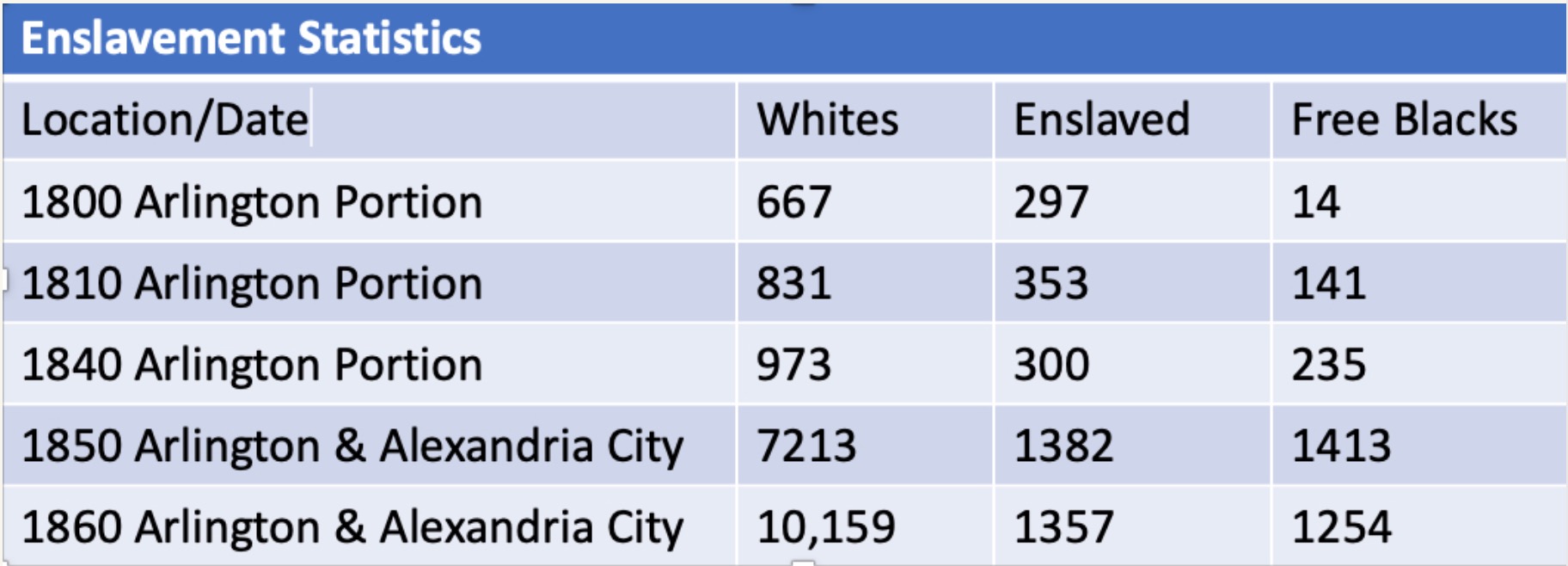
As the eighteenth century waned, Arlington’s farmers turned from tobacco cultivation, which stripped the soil of nutrients, to mixed farming, growing a variety of crops and rearing livestock. Fewer enslaved laborers were needed to produce mixed crops, resulting in the sell-off of excess hands and leading to a reduction in the number of enslaved people in the area.
Domestic Slave Trade
To remain profitable, enslavers often chose to sell the humans they considered surplus property to slave traders. In the 1820s, domestic slave traders turned the slave trade into a major business. These human traffickers bought over 1 million “excess” enslaved individuals from the Upper South (including Northern Virginia) and sold them to cotton and sugar plantation owners in the Deep South. The most successful trade firm, Franklin & Armfield, was located in nearby Alexandria.
Arlington House: The Largest Place of Enslavement
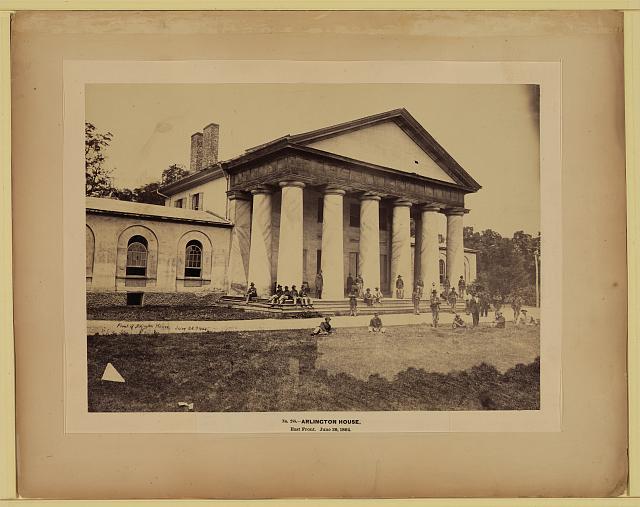
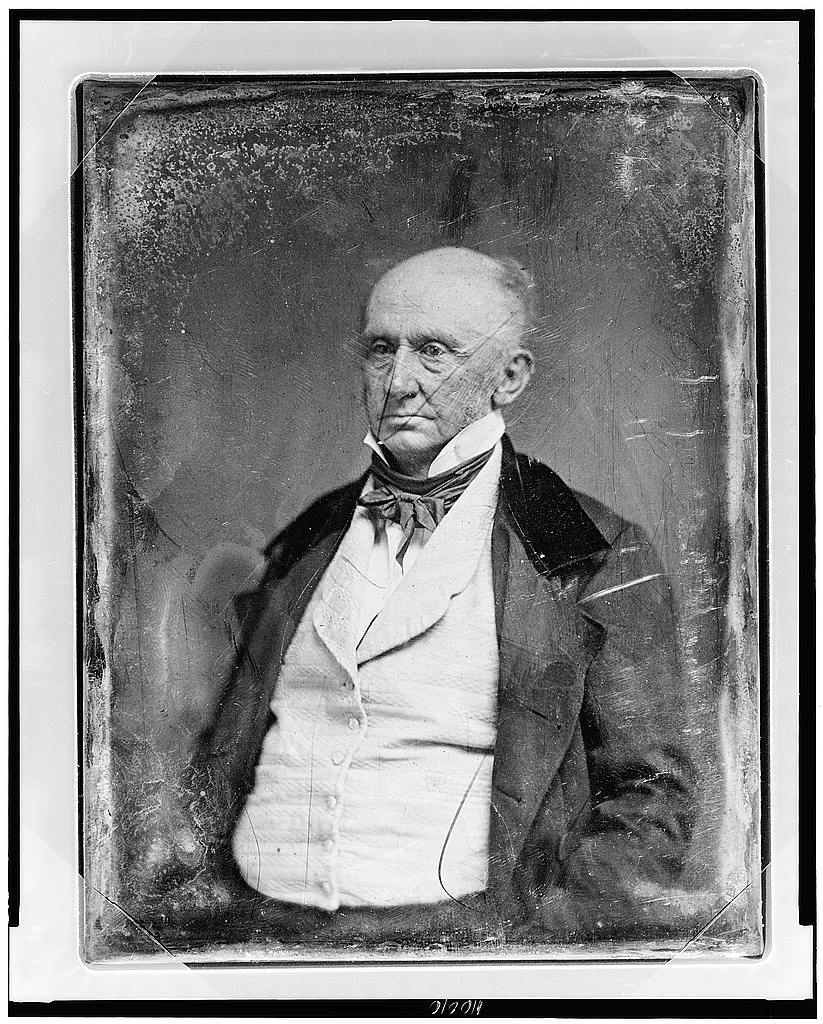
From 1802-1816, George Washington Parke Custis, the grandson and adopted child of George and Martha Washington, and the father-in-law of Robert E. Lee, used enslaved laborers to build the largest plantation in the county, Arlington House.
Until his death in 1857, Custis and his wife Mary enslaved over 235 men, women, and children. Many descended from the bondspeople of Mount Vernon. Enslaved workers maintained the Greek Revival mansion and 1100-acre estate while providing personal service to the family. Some descendants of these enslaved families live in Arlington today.
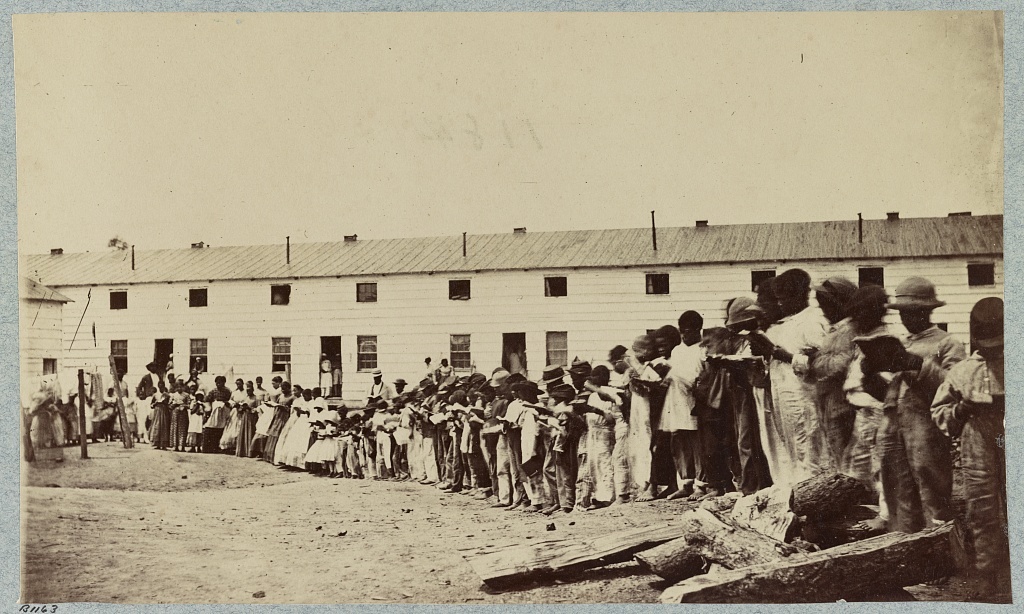
During the Civil War, the Custis/Lee estate became the site of Arlington National Cemetery and Freedman’s Village.
Other major enslavers in the county included Alexander and Louisa Hunter, the owners of Abingdon and Summer Hill, James Roach of Prospect Hill, and Bazil Williams of Prince Seaton. Though slaveholders dotted Arlington's landscape, the majority enslaved fewer than six individuals.
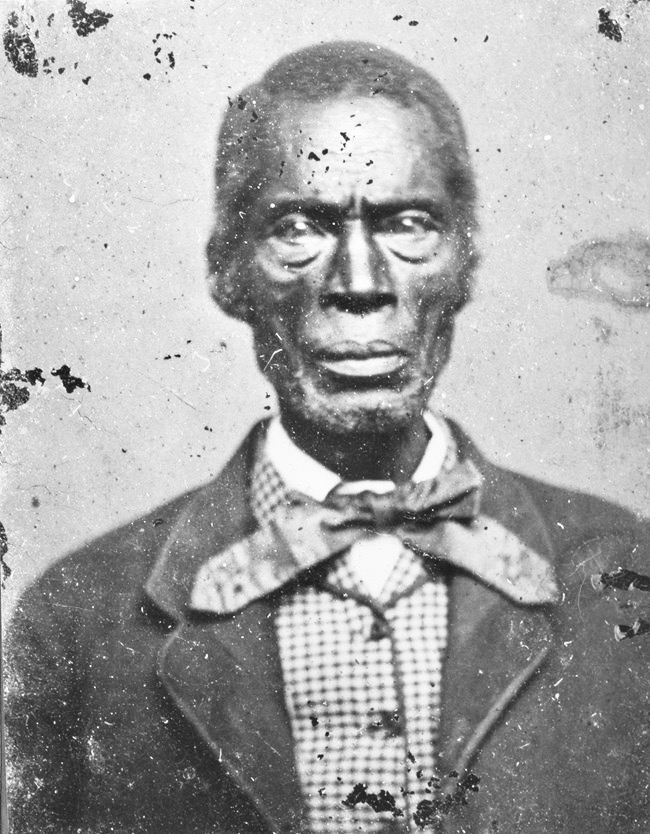
Forgotten No Longer
During Arlington’s 200 years of enslavement, most Black individuals were considered property, and their identities and contributions were effectively buried. MEA is correcting this historical imbalance by revealing, when possible, the names and life stories of the men, women, and children who provided wealth to generations of enslavers and nurtured the roots of Arlington’s prosperity.