Abingdon Plantation
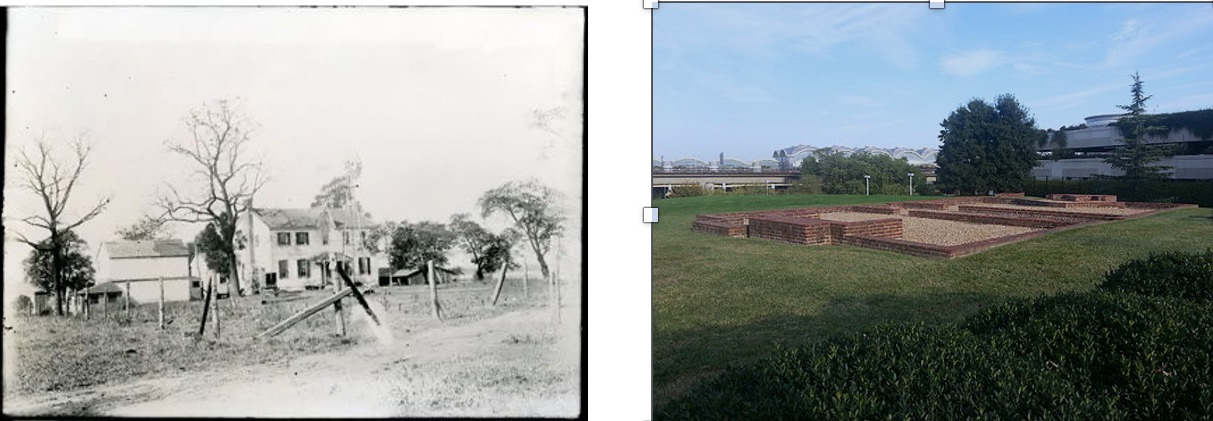
Built in the 1740s by the enslaved people of Gerard Alexander, Abingdon was the first major plantation in what is now Arlington County. Situated on a knoll overlooking the Potomac River, the estate sat on what is now Reagan National Airport. The remains of Abingdon have been preserved by the Metropolitan Washington Airport Authority.
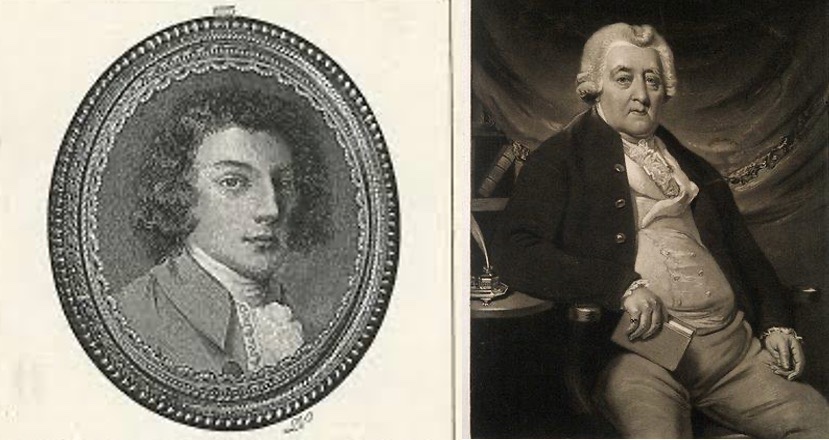
Many different families owned or leased the Abingdon plantation and enslaved scores of people there. These families included several generations of the Alexanders (1699-1778, 1792-1807), the John Parke Custis family (1778-1792), the Wises (1808-1837), and the Hunters (1836-1861). John Parke Custis, the stepson of George Washington, enslaved more people at one time than any of the other residents. At his death in 1782, he enslaved 72 individuals.
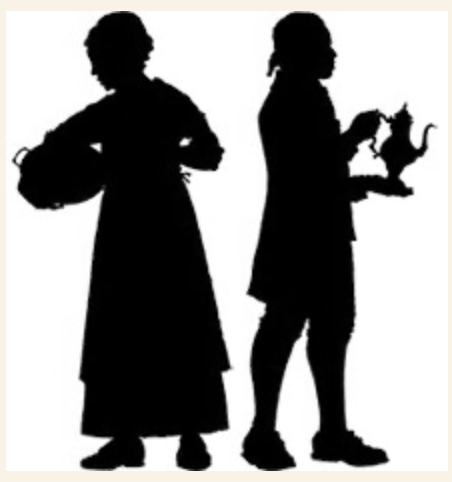
For 120 years, enslaved people performed the relentless tasks necessary to sustain Abingdon and enrich their enslavers. Field hands grew tobacco, wheat, clover, flax, and corn and tended livestock. Household servants cooked, cleaned, laundered, and nursed children and the elderly. Some of the enslaved people performed skilled trades such as blacksmithing, building, and weaving.
Abingdon Enslavers and the Names of the People They Enslaved
Gerard Alexander: James, Will, Milley, Nan, Stice, Bess, Rose, Solomon, Peg, Nell, Dick, Moll, Mary, Bretan and many whose names are unknown.
Robert Alexander: 18 enslaved people whose names are unknown.
John Parke and Eleanor Custis: Ally, Amey, Amey, Anthony, Beck, Beck, Billy, Billy, Bob, Caesar, Charles, Charlotte, Cook Beck, Cook Nan, Cus, Doll, Daniel, David, David, Dinah, Ebe, Fanny, George, Great Joe, Harry, Jack, James, Jenny, Joe, Joe, John, John, Joshua, Julius, Lane, Lewis, Letts, Lydia, Moll, Mima, Mima, Mingo, Morris, Nan, Nan, Nancy, Ned, Nelly, Nelson, Pat, Patt, Perry, Peter, Phill, Rose, Sall, Sampson, Sarah, Sithy, Stephen, Tarry, Terry, Tom, Will, Nan, Peter Hardeman, Will Flood, Tom Millar, John Trower, and Will Twine.
Wise Family: Maria Payne, Betsey Beckly, Harriet Ann, and 17 enslaved people whose names are unknown.
Hunter Family: Daniel, Dinah, Hannah, James, Joseph, Martha, Mary, Michael, Peter, Philip, Bushrod, Cecilia, Charles, Emily, Henry, Jackson, Lewis, Robinson, Sandy, Sandy Watts, Tobey, and Webster.
Stories
Moll
Moll and Julius were two of John and Eleanor Custis’s most trusted enslaved servants. John, also called Jackie, was the son of Martha Washington and grew up at Mount Vernon. Moll had looked after Jackie when he was a child and moved to Abingdon with the Custises where she was a beloved nursemaid for their children. After Jackie’s death and Eleanor’s marriage to David Stuart, George Washington hired Moll from the Stuarts to care for their two children living with the Washingtons, George Washington Parke Custis and his sister Nelly.
Julius
Julius was born in 1749 and as a child waited on John Parke Custis. In 1768 letters, George Washington described Julius, who was then about 19 years old, as “abt five feet 8 Inches high & Slender” and “well acquainted with House business.” Jackie had Julius trained as a blacksmith, and he carried on the trade at Abingdon. Julius was listed on the 1782 Abingdon inventory as a man valued at £100; this was the highest value placed on individuals on this list, with only two others (John and Phill) also valued this high. By 1782, Julius would have been 32 years old and an experienced blacksmith, fitting the high valuation on the Abingdon inventory.
Lewis Howard
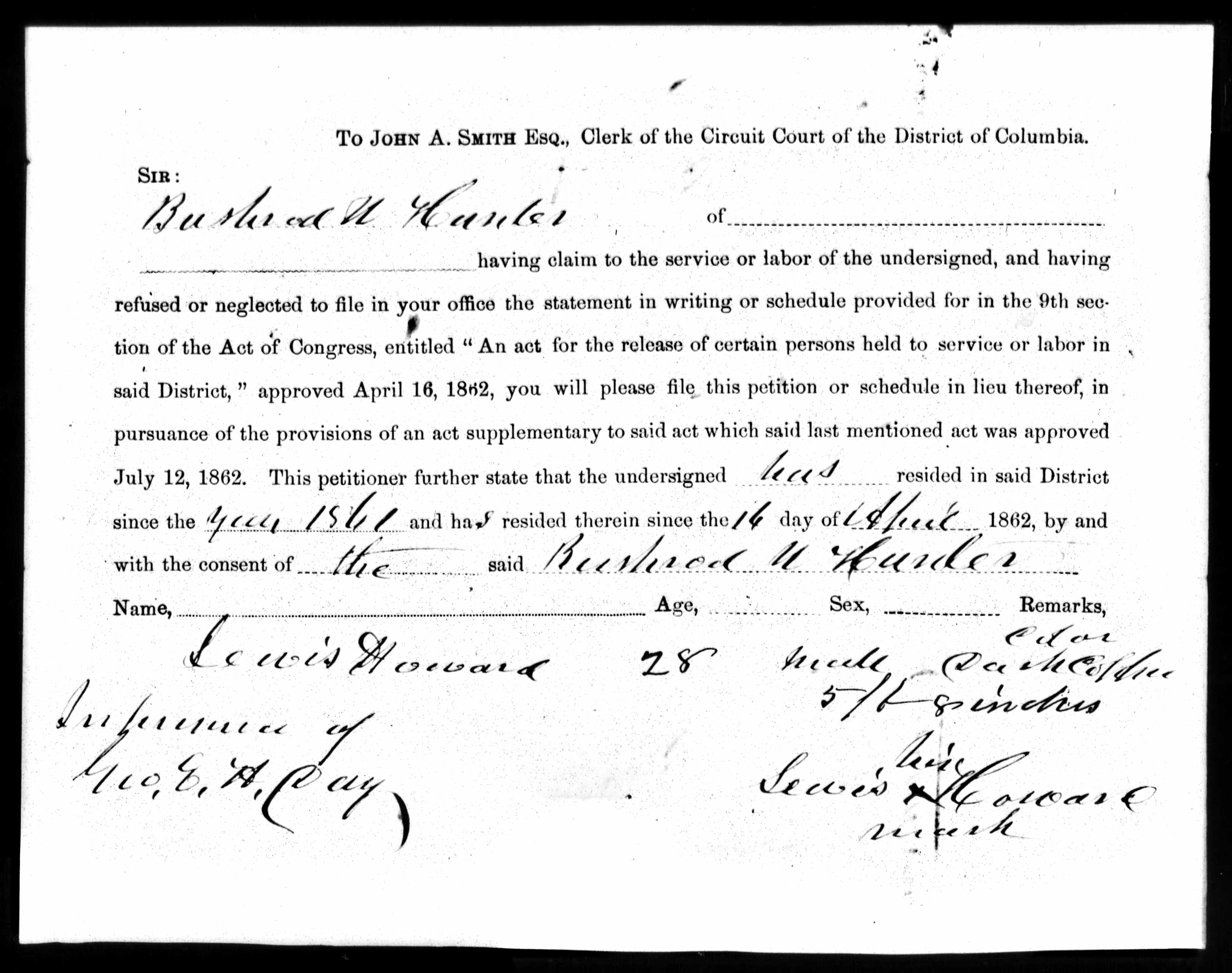
Lewis Howard was born in 1834 and became enslaved by Bushrod Hunter sometime before 1850. He resided at Abingdon where he was involved in agricultural labor—tilling ground, planting seeds, cultivating and harvesting crops. The 1861 diary of Bushrod W. Hunter documents Lewis as a wagon driver, hauling rails and posts for fence repair. He may have transported Hunter’s produce to the markets in the District of Columbia and Alexandria City. He also might have been engaged in the maintenance of farm animals including cows, sheep, pigs, and chickens as well as carriage horses.
In 1862, Lewis was granted a pass to DC by Bushrod Hunter. He used the opportunity to remain in DC and apply for freedom under the April 16, 1862, District of Columbia Compensated Emancipation Act, which outlawed slavery in the District of Columbia. The government reimbursed enslavers for their lost property if they could prove ownership and loyalty to the Union. B. W. Hunter did not apply for compensation, nor was he loyal, but enslaved people were allowed to petition for compensation if their former enslavers had not done so.
For the complete story of Lewis Howard: https://arlhist.org/lewis-howard-1834-1896/
For the story of Sandy Watts, who was also enslaved at Abingdon: https://arlhist.org/sandy-watts/